Have any question?
Call (409) 861-4450

Call (409) 861-4450


Gmail has proven to be as secure as most other email platforms, but email is email and there are times when you send an email that isn’t opened promptly and you’d rather not have the information in that message get sent around or archived where you can’t control it. Now Gmail has added a feature that allows users to send messages that will delete themselves in a predetermined time frame, and work to keep the contents of those messages from being shared. Let’s take a look at them today.
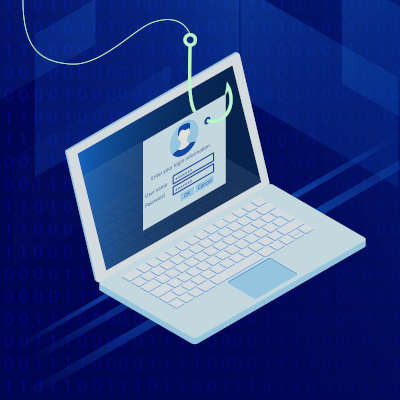
While it initially sounds promising to hear that the number of data breaches seen last year went down significantly, it is important to recognize that the number of data records leaked as a result more than doubled. One clear cause was the resurgence in the use of the underhanded malware variety known as ransomware. With this suggesting an increased threat of ransomware incoming, can you confidently say that your business’ team is ready to deal with it?

For a very long time, Apple has been requested to share a workaround for their platform security with law enforcement, which the company has refused outright. Their argument has been that doing so would inherently undermine their lauded security. Well, the feds have given up asking, because they went ahead and developed a workaround themselves… and in doing so, have revealed that iOS isn’t quite as secure as it was purported to be.
Gmail is as secure as any comparable email platform, but there may be some messages you send that you’d rather not have hanging around in someone’s inbox. However, did you know that Gmail enables you to send messages that delete themselves after a set timeframe… while also preventing the contents from being forwarded, downloaded, copied, or printed?

What would you consider to be the biggest threat to your business and its continued operations? Cybercrime? A natural disaster? What if I told you that it was the team members that you have employed—whether they meant to be or not? This is the hard truth that you need to prepare your business to resist.

The smartwatch is one of the most popular gifts given to technology lovers; and, they have quite a bit of utility. They can help improve communication, health, and of course give them a sleek accessory. One problem that people don’t often consider is how their employer has to handle the influx of smartwatches and other IoT devices that are brought to work after the holidays. Today, we’ll briefly discuss how Internet of Things devices could be security risks and what a business should do about it.

True to form, 2020 has given us a final parting gift: the news that the United States was targeted this year by the biggest cyberespionage attack ever. Let’s go into the ramifications of this attack, and what it should teach us going forward.

Over a quarter of all data breaches happen to small businesses. The cost of a data breach is really prohibitive to your business’ operational and financial health. To keep your business’ data and infrastructure free of threats and relatively secure, small businesses will need a combination of useful technology tools and well-designed strategies. Let’s take a look at several steps your small business can take to secure itself from digital theft.

Since the beginning of the COVID 19 pandemic, it has been clear that many companies were not prepared to continue their operations remotely. This was largely due to their leadership being convinced in recent years that allowing people to work remotely would lead to a considerable reduction in production, leading them to be unprepared to shift to remote functionality. Cybercriminals have taken advantage of many organizations as a result, so today we’ll discuss what needs to be done to secure endpoints from afar.

Over the past year, entrepreneurs have focused on how to do business during the global COVID-19 pandemic. The public health crisis has been an opportunity for fraudsters and hackers, and the result has been an increase in losses (compared to the second-worst period on record) by over 50 percent. Let’s consider the situation, and how it is—unfortunately—getting worse.
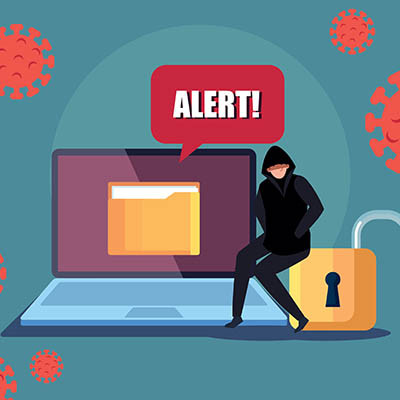
Keeping your network and infrastructure free from threats is always a priority, but with so many people working remotely, businesses have encountered problems doing so. In fact, hackers and scammers have come out of the woodwork to try and gain entry into unauthorized networks or to flat-out steal data. This month, we thought we would take a look at how the COVID-19 pandemic has exacerbated the threats out there.
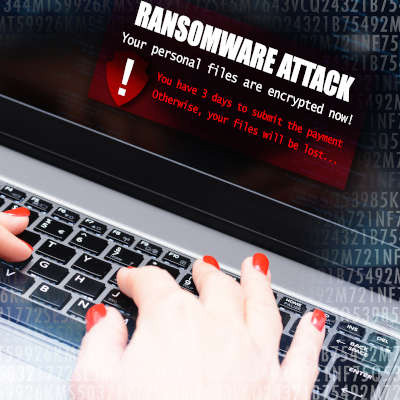
If fortune smiles on your company, you won’t ever have to deal with what we are about to discuss: ransomware. For the past several years ransomware has been a major issue for businesses, governments, and individuals. Today, we will talk about ransomware, how there are different strategies, and how some people want to put a ban on ransomware payments.

Having success in business often relies on developing trustworthy relationships. You have to trust your vendors and suppliers to get you the resources you need, you need to trust your staff to complete their tasks without putting your business in harm's way, and you need to trust your customers to buy the products and services that you offer. Running counter to these necessary bonds of trust are people actively soliciting people’s time, energy, money, and attention for their own selfish purposes.
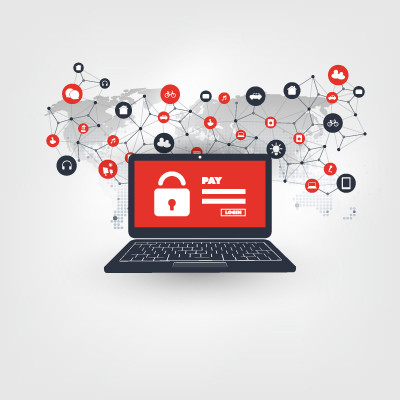
When it comes to ransomware, we have always stood firm in our recommendation not to pay whoever is responsible for locking down your systems. However, due to the globalized nature of technology and cybercrime, it is even more important that companies don’t attempt to placate their attackers with the demanded funds. Otherwise, warns the United States Treasury Department, these victimized businesses could very well pay severe fines for doing so.

As a communication tool, the video conferencing app Zoom saw a considerable bump in its popularity with both personal and business users as the coronavirus pandemic made other means of meeting no longer viable. However, this sudden increase in its user base also revealed some serious security issues with the platform. Let’s examine what Zoom has done to resolve these issues since then.

Business relationships, especially between you and a service provider or you and a coworker, are crucial to a business’ success. However, maintaining these relationships can be challenging when there’s a good chance that your actions might create more work for another person. Let’s go over why your relationship with IT may be strained, and offer a few tips to help fix it.
Security is a major part of any business, and if there isn’t a diligent approach to the implementation of it, you can be left with huge holes in your network. This month, we thought we would discuss some of the best practices you can take to make sure that your organization’s security is in the best possible position to protect your digital resources.
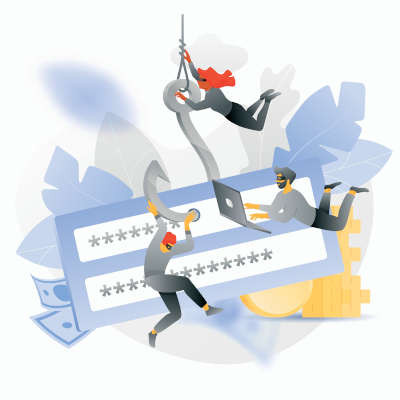
If you’ve been reading this blog for any length of time, you’ve seen us reference a phishing attack. Whether you are being asked by some supposed Nigerian prince to fork over money or you are getting an email by what seems to be your bank that directs you to download an attachment, you are probably a potential victim of a phishing scam. The difference between being a potential victim and a victim is knowing how to identify it. Today, we’ll give you five ways to identify a phishing message so that you—or your company—won’t be scammed.

Since the onset of the coronavirus, many businesses have managed to sustain themselves through remote work—also commonly known as telework. While this strategy has allowed quite a few businesses to survive, it has also opened them up to security threats. Here, let’s focus on one such threat: vishing, or voice phishing.
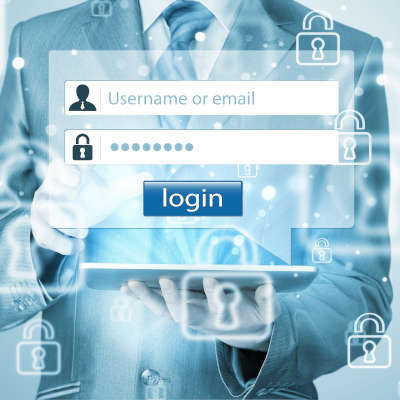
If I were to tell you that one variable was responsible for more than 80 percent of cyberattacks, what would you guess that variable was? If you guessed “stolen access credentials,” you’d be correct. The traditional username/password combination may soon be a thing of the past as more tech companies transition to alternative authentication measures.
Get the Knowledge You Need to Make IT Decisions
Technology is constantly evolving, and keeping up can feel overwhelming. Whether you want to understand cybersecurity threats, explore automation, or learn how regulations like PCI DSS impact your business, we’ve made it easy to access clear, straightforward insights on key IT topics.
Learn more about what NetWorthy Systems can do for your business.
NetWorthy Systems
701 W. Division Ave Suite 100
Orange, Texas 77630